
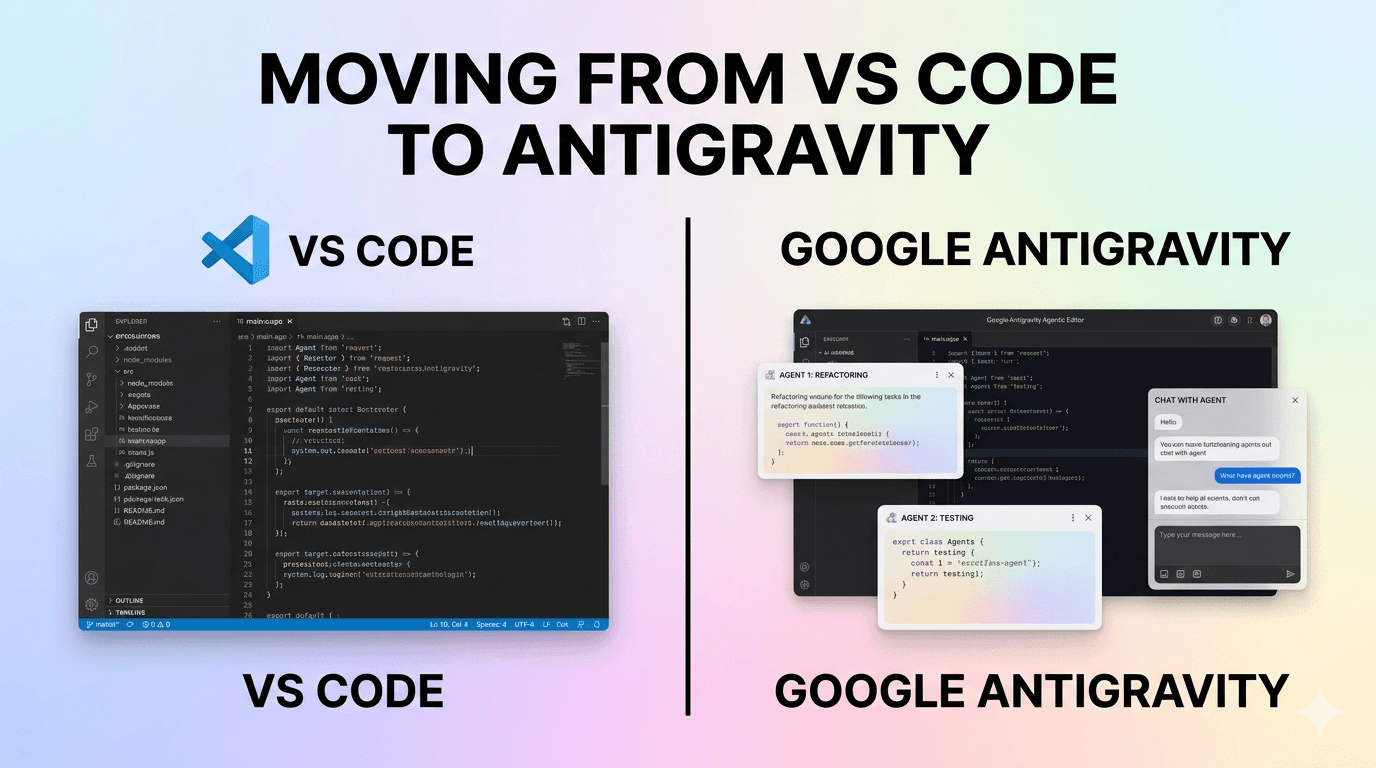
Remember those early days of coding? Staring at a blinking cursor, armed with nothing but a shiny new IDE and a head full of ambitious project ideas? For me, that IDE was Visual Studio Code, and my ambition was to build something… well, useful. Little did I know that this journey would lead me from basic syntax to a fully operational gym management system, and eventually, to the cutting edge of AI-assisted development.
My coding awakening happened with VS Code. It was clean, intuitive, and surprisingly approachable for a beginner. I spent hours tinkering, learning JavaScript, and dreaming up projects. One persistent idea that kept resurfacing was a gym management system. Think about it: tracking memberships, class schedules, personal training sessions, payments – it’s a complex beast! But the dream was vivid: a streamlined, efficient way to run a gym, and I was determined to build it.
Now, every ambitious project needs a solid backend, and for a budding developer like me, database choices could be daunting. I stumbled upon MongoDB. Honestly? A good chunk of that decision came from watching a YouTube tutorial that made it look incredibly easy to set up and configure. The schema-less nature seemed flexible for a project that I knew would evolve. And evolve it did! MongoDB became the backbone of my gym management system, storing member data, class details, and all those crucial bits of information that keep a gym running smoothly. It was a testament to how a well-chosen tool, even if influenced by a quick tutorial, can power a real-world application.
The gym management project was a huge success. It’s the system that currently runs my gym, handling everything from sign-ups to workout tracking. It was a massive learning curve, filled with late nights and debugging sessions, but the satisfaction of seeing my code in action, making a tangible difference, was immense. However, as the project grew and my ambitions expanded, I started hitting walls. Building complex features, optimizing performance, and pushing the boundaries of what I could create solo started to feel like an uphill battle. The pace of innovation I desired seemed to be outstripping my individual capacity.
Then came the AI revolution. It wasn't just a fleeting trend; it felt like a seismic shift. I started exploring how AI could augment my development process. That's when I discovered Google's Antigravity. The concept of automated agentic workflows for coding tasks was mind-blowing. Imagine handing over the reins for repetitive coding, boilerplate generation, or even exploring complex algorithms to an AI that can process information and generate code at speeds I could only dream of. This wasn't about replacing developers; it was about empowering them.
My experience with Antigravity has been nothing short of transformative. Features that would have taken me weeks, if not months, of painstaking effort to conceptualize, code, and test, are now being churned out in days. The AI agents can analyze my project, understand the context, and generate sophisticated solutions. It’s like having a team of super-intelligent junior developers working tirelessly alongside me. This has freed me up to focus on the high-level architecture, the truly innovative aspects, and the creative problem-solving that truly requires human intuition and experience.
The development of AI in my workflow isn't just about speed; it’s about capability. Complex algorithms, advanced data analysis, even sophisticated UI components that were previously out of reach are now within my grasp. Antigravity acts as a powerful co-pilot, suggesting better approaches, identifying potential bugs before they even manifest, and accelerating the learning process by exposing me to new coding paradigms and best practices. It’s a constant dance between human direction and AI execution, a synergy that’s pushing my projects to new heights.
Looking back, my journey from a VS Code novice to a developer leveraging advanced AI has been a wild ride. The gym management system, once just a distant dream, is now a robust reality, constantly evolving thanks to these new tools. AI hasn't just helped me build software faster; it's fundamentally reshaped my approach to problem-solving and innovation. It’s a testament to how embracing new technologies, staying curious, and being willing to adapt can turn ambitious ideas into tangible, impactful realities. My dream is no longer just about running a gym; it’s about building the future of how we interact with technology, one agentic workflow at a time.